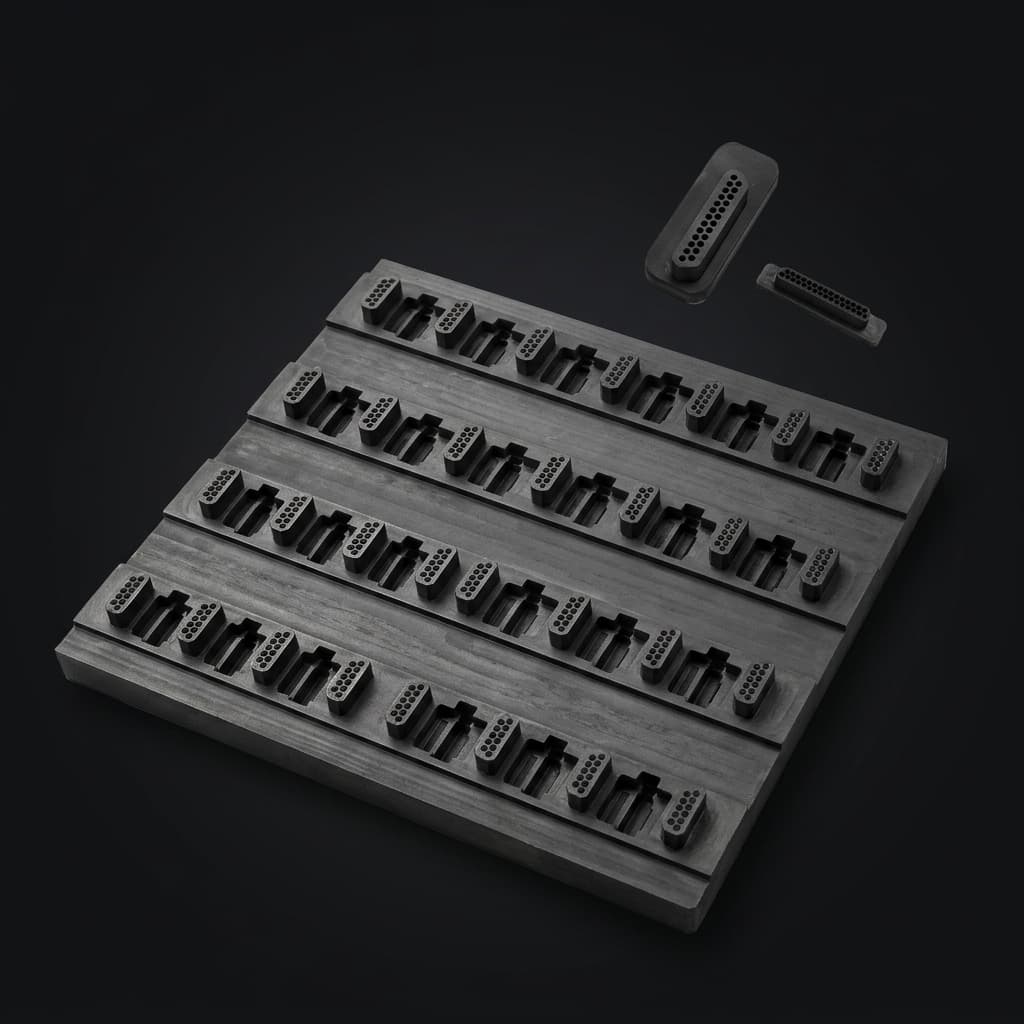
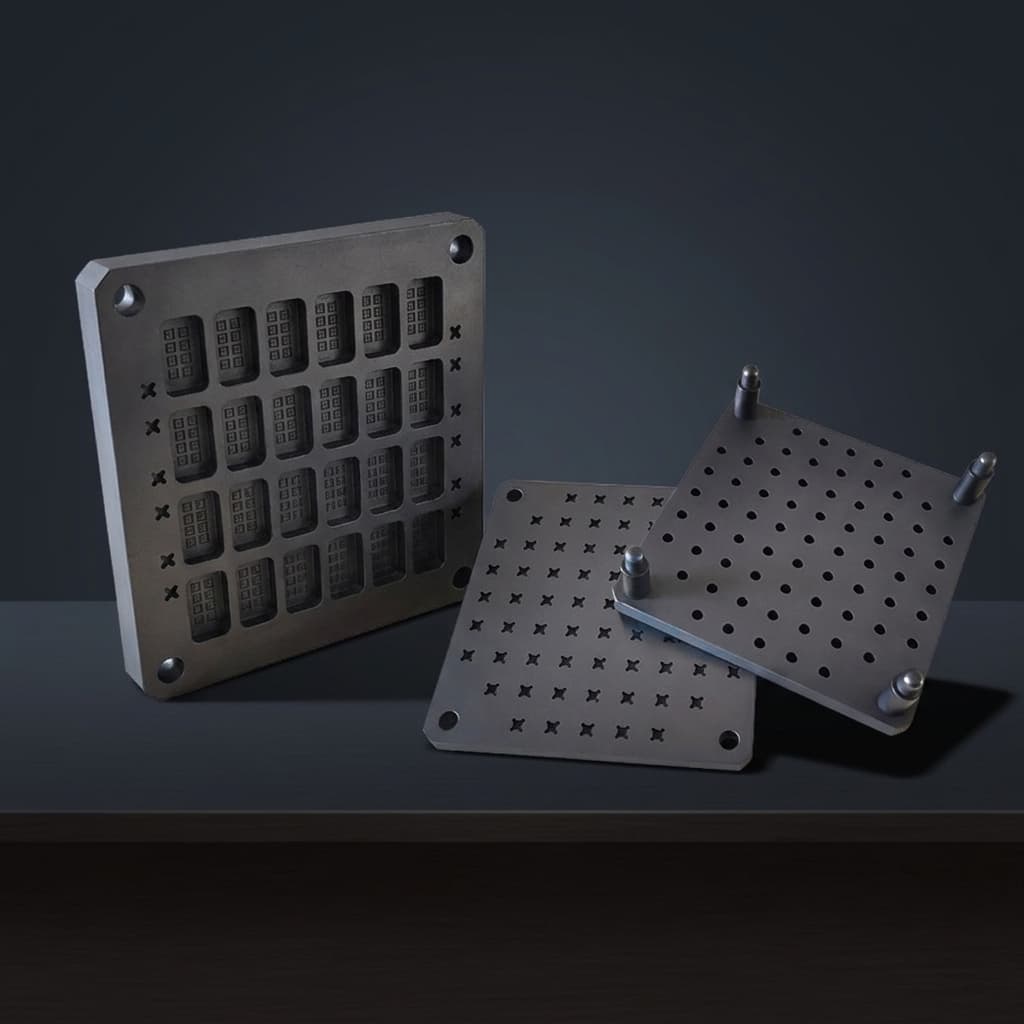
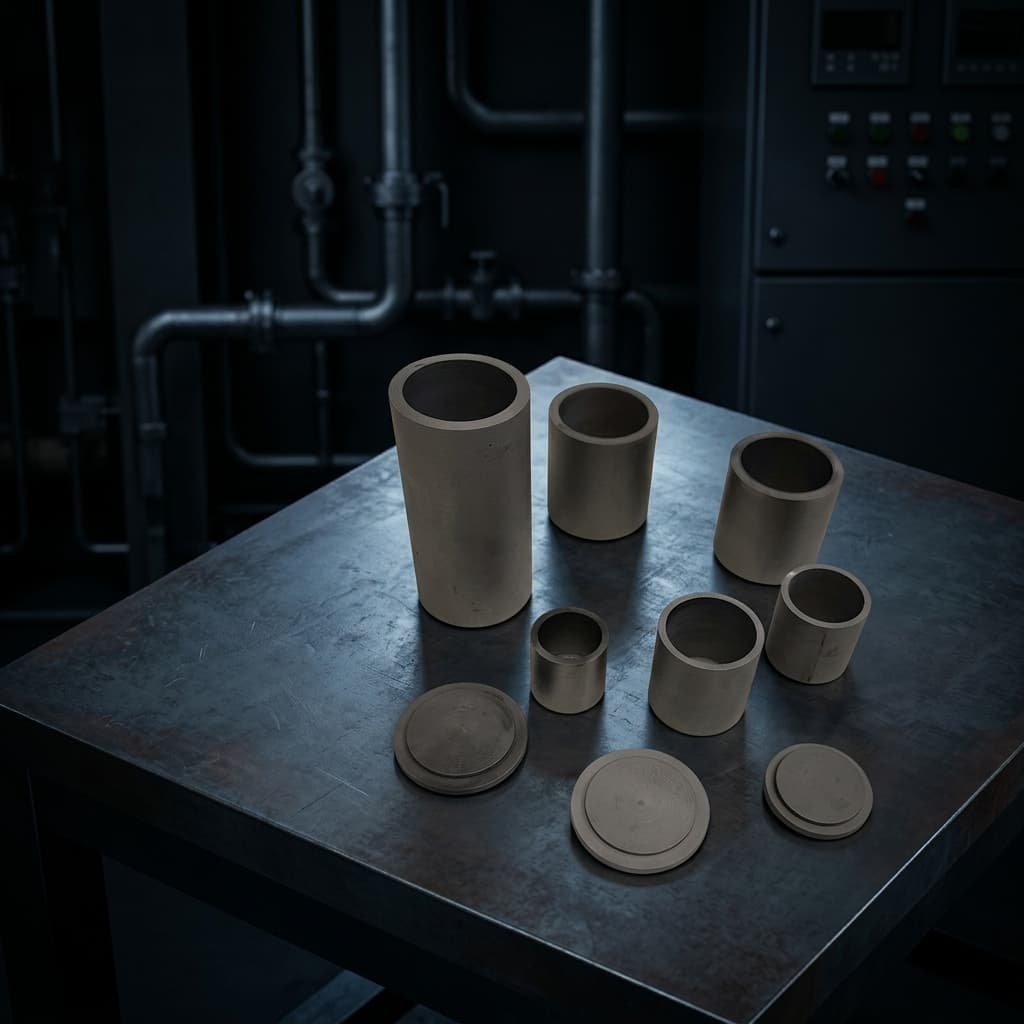
| Graphite CNC Machining | OEM engineers and sourcing teams who need a graphite-specific machining partner, not a generic metal shop. | Machining environment: Graphite-dedicated or dust-controlled setup | Graphite dust damages ordinary equipment and signals whether the shop is serious about this material. |
| Export Compliance Support | Procurement teams who need a supplier that treats export compliance as part of the RFQ workflow. | Document readiness: Before PO or production release | Graphite shipment risk increases when compliance review is treated as a last-mile task. |
| Dust-Controlled Graphite Machining | Engineering teams who want evidence that the supplier understands graphite as a material, not just CAD machining. | Handling control: Defined per geometry and cleanliness target | Many graphite failures happen after machining through chipping, dust, or packaging damage. |
| Drawing-to-Shipment Workflow | For buyers who need a predictable workflow from drawings to shipped graphite components. | RFQ clarity: Drawing + material + quantity + destination | Complete RFQs shorten quotation time and reduce graphite-specific production risk. |
| Quality Inspection and Traceability | Best for procurement, engineering, and quality teams that need graphite parts with documented dimensions, revision status, and shipment-ready records. | Inspection scope: Critical dimensions, first article, photo report, or buyer-specified checklist | Graphite parts can be fragile and application-specific, so inspection expectations should be defined before machining. |
| Export Packing for Fragile Graphite | Best for buyers shipping fragile, expensive, coated, or thin-wall graphite parts across borders where receiving damage would delay production. | Fragility profile: Coated, thin-wall, sharp-edge, long-rib, heavy, or polished-surface graphite | Different graphite failure modes need different support, separation, and handling instructions. |