
Product Families with Real Use Cases
Custom graphite parts, molds, EDM electrodes, furnace fixtures, high-purity components, and carbon graphite wear parts are grouped by application risk rather than generic catalog labels.
Source graphite molds, EDM electrodes, furnace fixtures, high-purity components, and carbon graphite wear parts with graphite-specific DFM, material grade matching, inspection, and protective packing.
Inquiry Email
Complete RFQs are easier to review within 1-2 business days when drawings, grade, quantity, and destination are included.
WhatsApp Alignment
+8618857971991
Use WhatsApp for quick alignment; send drawings by email for traceable review.
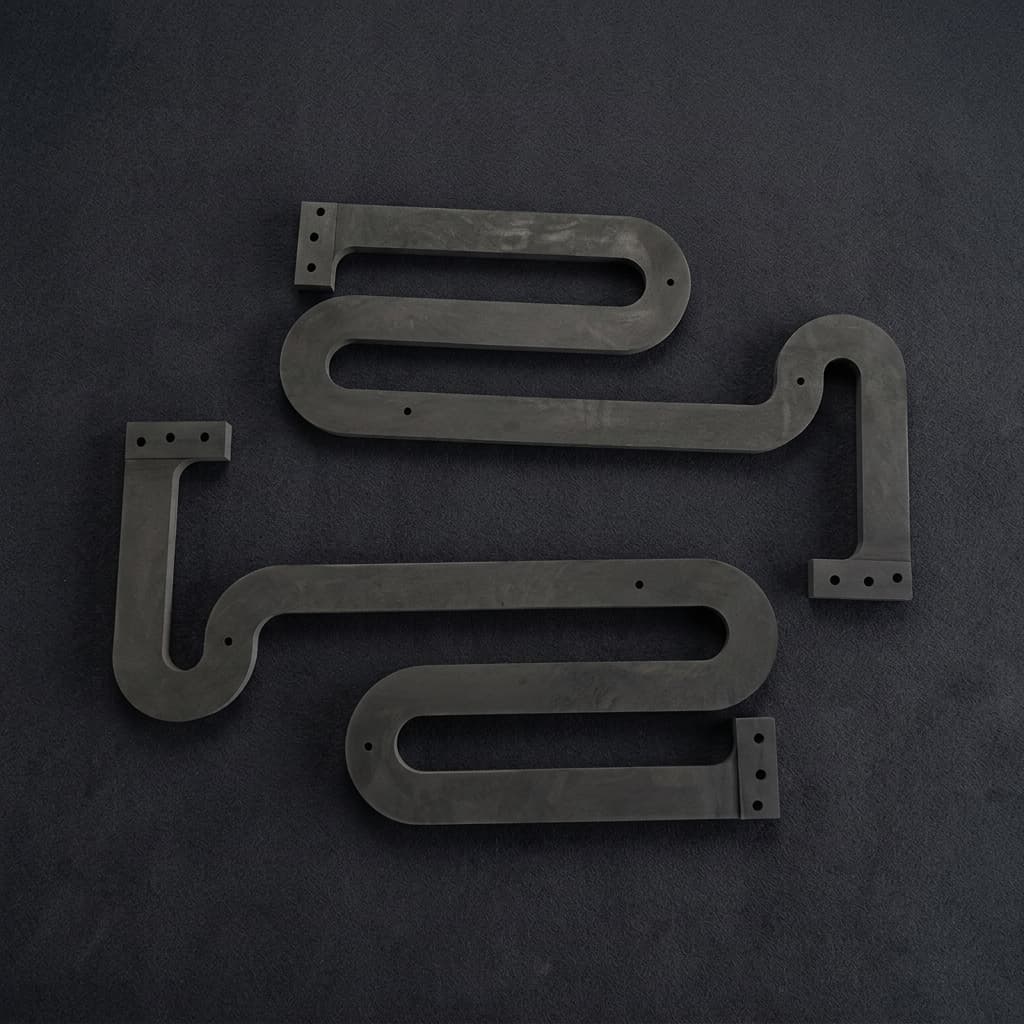
Drawing-based parts, molds, EDM electrodes, furnace fixtures, high-purity components, and carbon wear parts.
Grade, tolerance, datum, brittle edge, surface finish, and manufacturability checks before quotation.
Inspection records, protective packing, HS code, end-use, and shipment document review where required.
Buyers usually need more than a catalog name. The first review should connect part family, graphite grade, application risk, inspection needs, delivery path, and export documents.
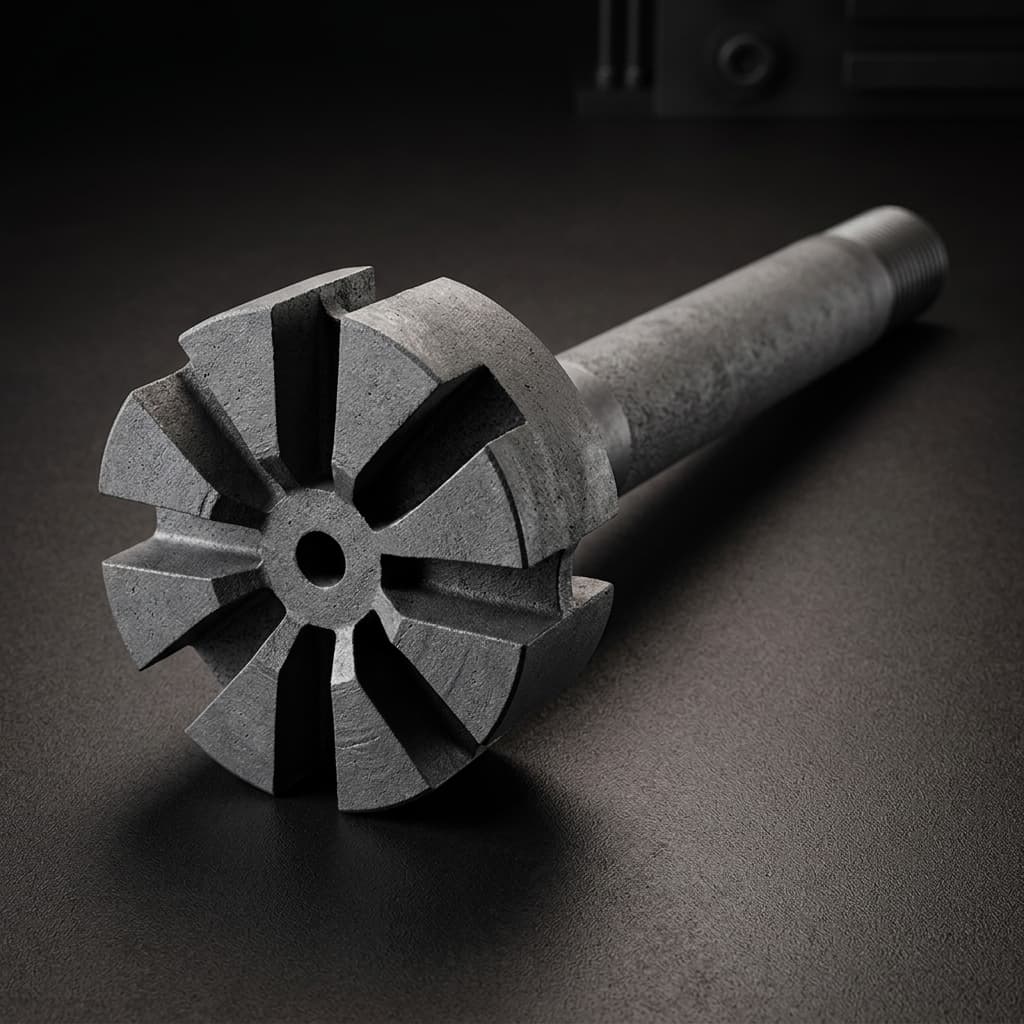
Blocks, plates, rods, tubes, rings, sleeves, nozzles, spacers, supports, clamps, and fixtures from drawing or sample.
Review scope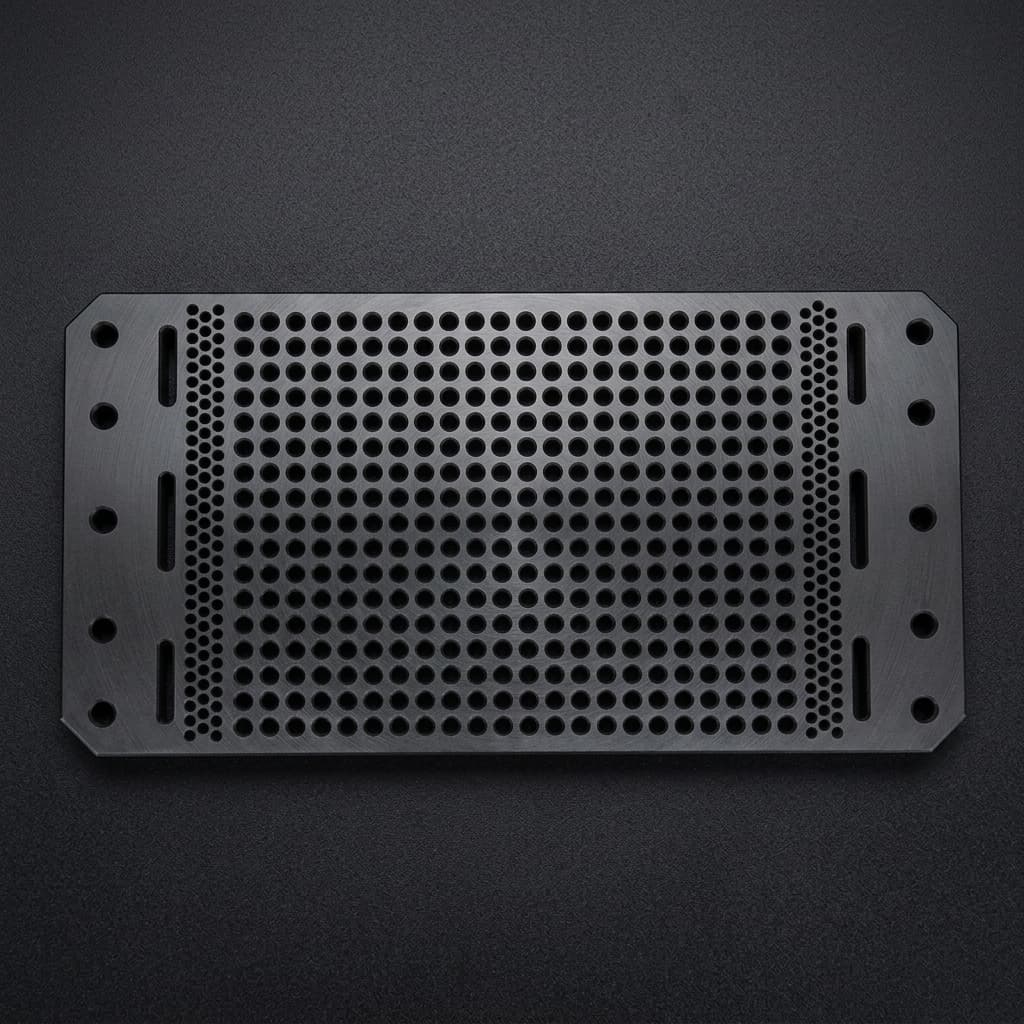
Mold inserts, dies, punches, hot-press tooling, sintering molds, casting dies, and glass-forming graphite components.
Review scope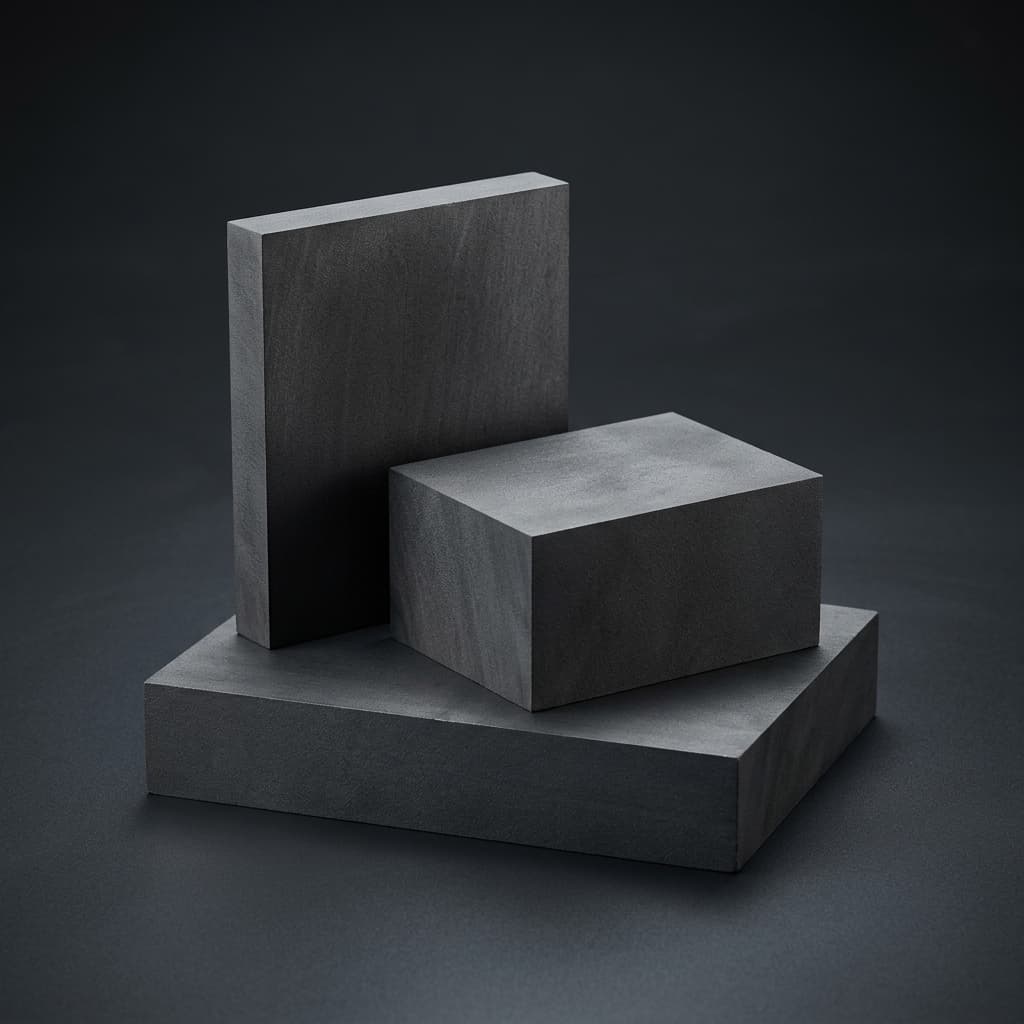
Roughing, finishing, rib, cavity, blank, and repeat replacement electrode sets with datum and holder-interface review.
Review scope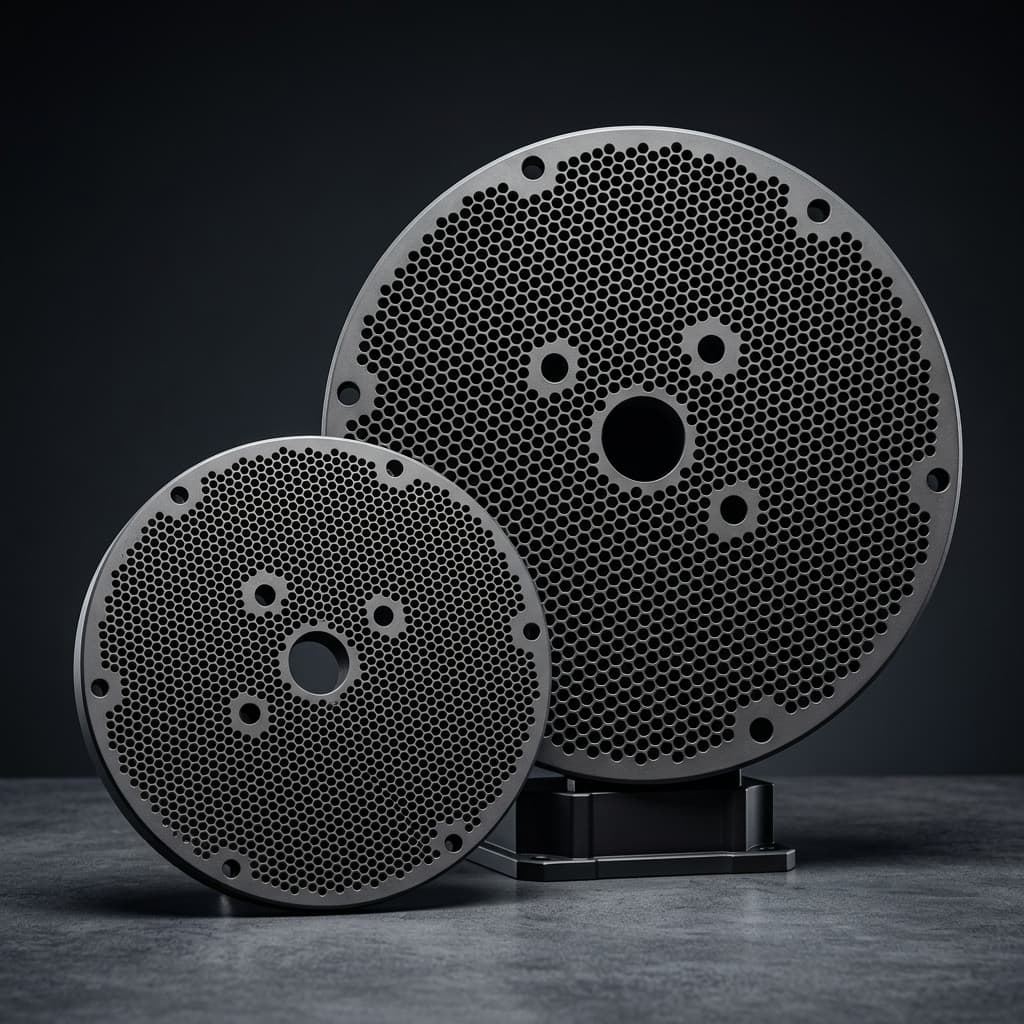
Trays, boats, heaters, crucibles, susceptors, heat shields, bearings, bushings, seals, vanes, and other consumables.
Review scopeWhat Buyers Can Qualify Before RFQ
Graphite parts fail when grade, geometry, handling, or documents are treated as afterthoughts. The homepage now surfaces the control points buyers usually need before sending drawings.
Custom graphite parts, molds, EDM electrodes, furnace fixtures, high-purity components, and carbon graphite wear parts are grouped by application risk rather than generic catalog labels.
Review isostatic, molded, extruded, impregnated, or high-purity graphite options against temperature, atmosphere, wear, detail size, and contamination limits.
Define critical dimensions, edge protection, certificate expectations, inspection records, and batch identifiers before the part reaches production.
Start with prototype or replacement samples, lock acceptance criteria, then move into repeat batches with packing, lead time, and export document planning.
The fastest RFQs separate the drawing, grade, operating conditions, quality evidence, and shipment requirements before pricing. That prevents avoidable quote loops later.
| Area | Custom Range | What Buyers Should Send |
|---|---|---|
| Geometry | Milled, turned, drilled, slotted, threaded, thin-wall, ribbed, cavity, and replacement shapes. | 2D drawing, STEP file, sample photos, datum strategy, and critical edges. |
| Material | Isostatic, molded, extruded, high-purity, impregnated, and application-specific carbon graphite options. | Grade, density, grain size, purity or ash target, operating temperature, and atmosphere. |
| Finish & Inspection | Drawing-controlled tolerance review, surface finish notes, thread checks, photo records, and dimensional reports. | Critical-to-quality dimensions, acceptance method, certificate needs, and inspection format. |
| Delivery | Prototype lots, replacement batches, repeat production, export packing, and document coordination. | Quantity, annual forecast, target delivery date, destination country, and import document needs. |
Buyer Control Points
Use these as review anchors, not blanket guarantees: final limits depend on grade, geometry, quantity, inspection method, and document requirements.
Tolerance Review Where Geometry Allows
High-Purity Material Options
Initial RFQ Review Target
Graphite is brittle, porous, dusty, and often document-sensitive. Quality planning needs to start before machining, not after the parts are packed.
Before Quote
Check grade availability, feature risk, datum ambiguity, tolerances, temperature, atmosphere, and export document requirements.
Before Machining
Confirm drawing revision, material batch, fragile features, fixture approach, dust-controlled machining path, and inspection checkpoints.
Before Shipment
Review dimensional evidence, surface condition, edge protection, label requirements, certificate expectations, and packing method.
For Repeat Orders
Keep revision history, batch notes, acceptance feedback, spare quantity planning, and packaging lessons tied to the next PO.
Step 1
Start with the physical part type and the risk it carries: brittle edges, thin walls, electrode detail, furnace load, or wear interface.
Step 2
Match the part to temperature, atmosphere, load, wear, purity, electrical-discharge duty, or contamination sensitivity.
Step 3
Compare grade family, grain size, density, ash target, impregnation, thermal behavior, and certificate expectations.
Step 4
Confirm sample acceptance, dimensional evidence, packaging, shipment documents, and repeat-batch controls before PO release.
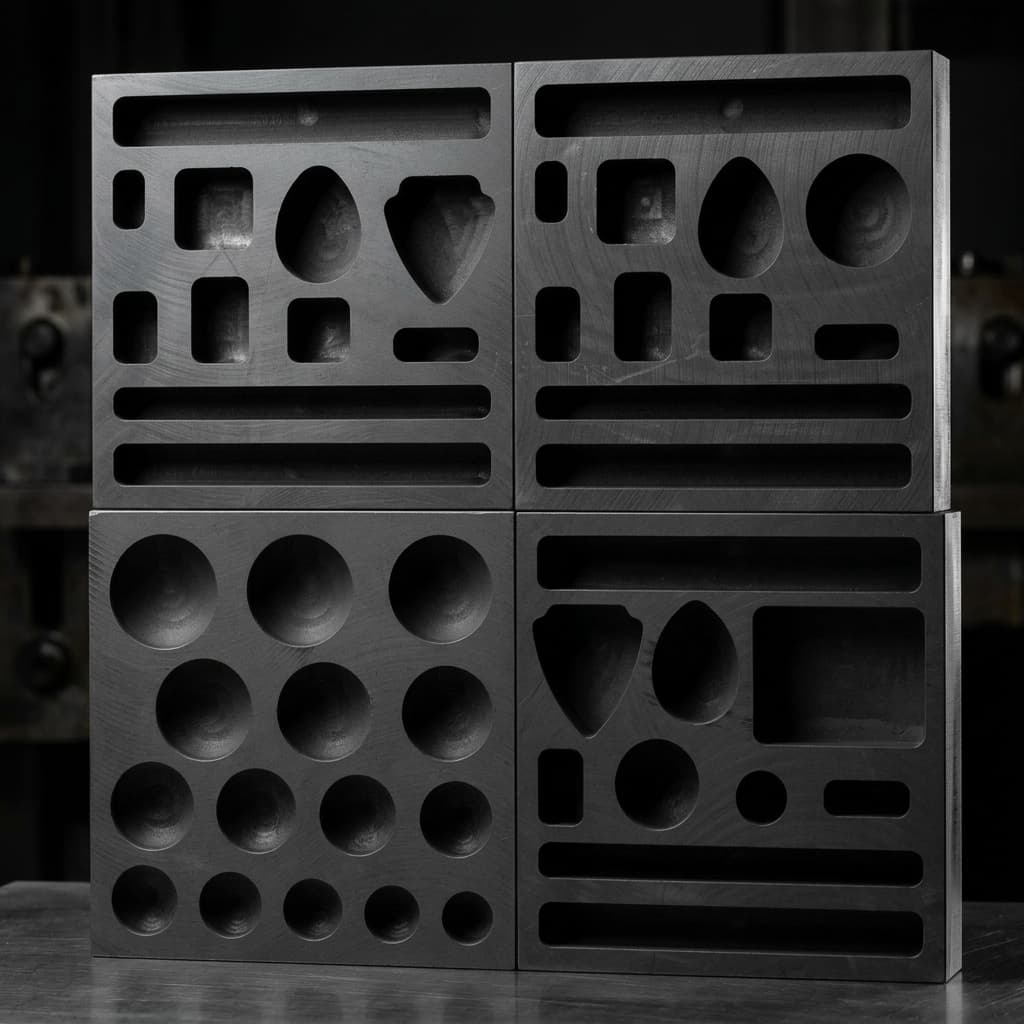
Use prototype lots to verify graphite grade, critical dimensions, edge handling, packing, and incoming inspection before locking repeat production.
01
Drawings, grade or operating conditions, quantity, destination, and certificate needs are reviewed together.
02
Geometry risk, material selection, tolerance realism, lead time, packing, and document path are clarified before pricing.
03
Prototype parts validate critical dimensions, surface expectations, handling, and incoming inspection criteria.
04
Once accepted, drawings, revision notes, inspection records, packaging, and shipment planning support repeat supply.
Compare the major graphite product families by fit, measurable requirement, and why that requirement matters before opening a detailed RFQ thread.
| Family | Best Fit | Key Metric | Why It Matters |
|---|---|---|---|
| Carbon Graphite Bearings | For mechanical engineers, maintenance planners, and OEM buyers evaluating bearing replacements for high-temperature, dry-running, or fluid-service duties. | Maximum operating temperature: No universal value; confirm the exact grade, impregnant, atmosphere, and duty cycle. | Manufacturer examples differ: Mersen lists limits for named JP options, while Toyo Tanso publishes different ranges for its own impregnated materials. |
| Acid Resistant Graphite Parts | Chemical engineers, plant maintenance teams and buyers preparing drawing-based RFQs for acid-service replacement parts. | Chemical compatibility: Unconfirmed until exact grade and full process composition are reviewed | Acid name alone omits concentration, contaminants, cleaning fluids and temperature. |
| 3D Glass Graphite Molds | Ideal for 3D glass forming factories, smartphone OEMs, automotive display suppliers, and hot bending process engineers. | Surface Finish (Ra): 0.4 - 0.8 µm (or better with special polishing) | Directly impacts the optical clarity of the formed 3D glass. |
| Custom Graphite Parts | Best for OEM buyers, maintenance teams, and contract manufacturers sourcing machined graphite parts from drawings. | Typical tolerance: Application-specific, drawing controlled | Graphite is brittle and porous, so tolerances must match function and inspection method. |
| Custom Graphite Molds | Built for process engineers and tooling buyers who need graphite mold geometry matched to thermal cycles and part release. | Operating temperature: Process-dependent high-temperature service | Temperature and atmosphere drive grade choice, oxidation risk, and expected service life. |
| Graphite EDM Electrodes | Designed for mold makers, EDM departments, and sourcing teams replacing copper electrodes with graphite where speed and wear behavior justify it. | Detail retention: Grade and geometry dependent | Thin ribs and fine EDM details require graphite grade and machining strategy alignment. |
| High-Purity Graphite Components | For engineers sourcing graphite where purity, ash content, surface condition, and traceability matter more than commodity price. | Ash / impurity target: Project-specific, buyer specified | Contamination-sensitive processes can reject parts even when dimensions are correct. |
| Graphite Furnace Fixtures | For furnace OEMs, maintenance teams, and process facilities that need custom graphite fixtures instead of catalog-only parts. | Thermal cycle fit: Defined by furnace process | Furnace fixtures fail when grade, geometry, and loading are not matched to thermal cycling. |
| Carbon Graphite Wear Parts | For equipment maintenance buyers and OEMs replacing polymer, bronze, or commodity graphite wear parts in harsh operating environments. | Operating media: Dry gas, vacuum, chemicals, or high-temperature zones | Media compatibility drives carbon graphite grade and impregnation choice. |
| SiC Coated Graphite Susceptors | Best for semiconductor process engineers, chamber parts buyers, and maintenance teams sourcing replacement coated graphite susceptors from drawings or samples. | Geometry basis: Buyer drawing, STEP file, or measured replacement sample | Susceptor pocket, locator, and rotation features are usually reactor-specific and cannot be treated as generic graphite parts. |
| Graphite Bipolar Plates | Best for fuel cell, battery, and electrochemical hardware teams that need machined graphite plates before committing to molded or stamped production routes. | Flow-field detail: Buyer-defined channel depth, rib width, porting, and active area | Small changes in channels and ribs affect pressure drop, contact area, manufacturability, and breakage risk. |
| 3D Glass Hot Bending Graphite Molds | Best for glass processing engineers, tooling buyers, and device supply-chain teams developing curved glass molds from CAD or sample tooling. | Mold architecture: Two-piece, three-piece, insert, support, or multi-cavity design | The mold split and assembly approach control machining cost, trial adjustment, and glass release risk. |
| High-Purity Graphite Heaters and Crucibles | Best for furnace OEMs, crystal growth teams, semiconductor labs, and maintenance buyers replacing high-purity graphite thermal components. | Purity requirement: Standard graphite, purified graphite, or buyer-specified ash limit | Contamination-sensitive thermal processes need purity review before material is purchased or machined. |
| Aerospace & Defense Graphite Components | For aerospace engineers, defense contractors, and specialized OEMs needing extreme-environment carbon materials with rigorous traceability. | Ablation resistance: Application specific | Crucial for rocket nozzles and heat shields to survive atmospheric reentry or exhaust plumes. |
| Graphite Heat Exchangers & Chemical Parts | For plant managers, chemical engineers, and maintenance teams needing robust, corrosion-resistant thermal management solutions. | Permeability: Zero (Gas and liquid tight) | Cross-contamination of cooling water and corrosive acids is catastrophic in heat exchangers. |
Practical buyer-side checklists, decision frameworks, and technical insights for graphite sourcing and machining decisions.
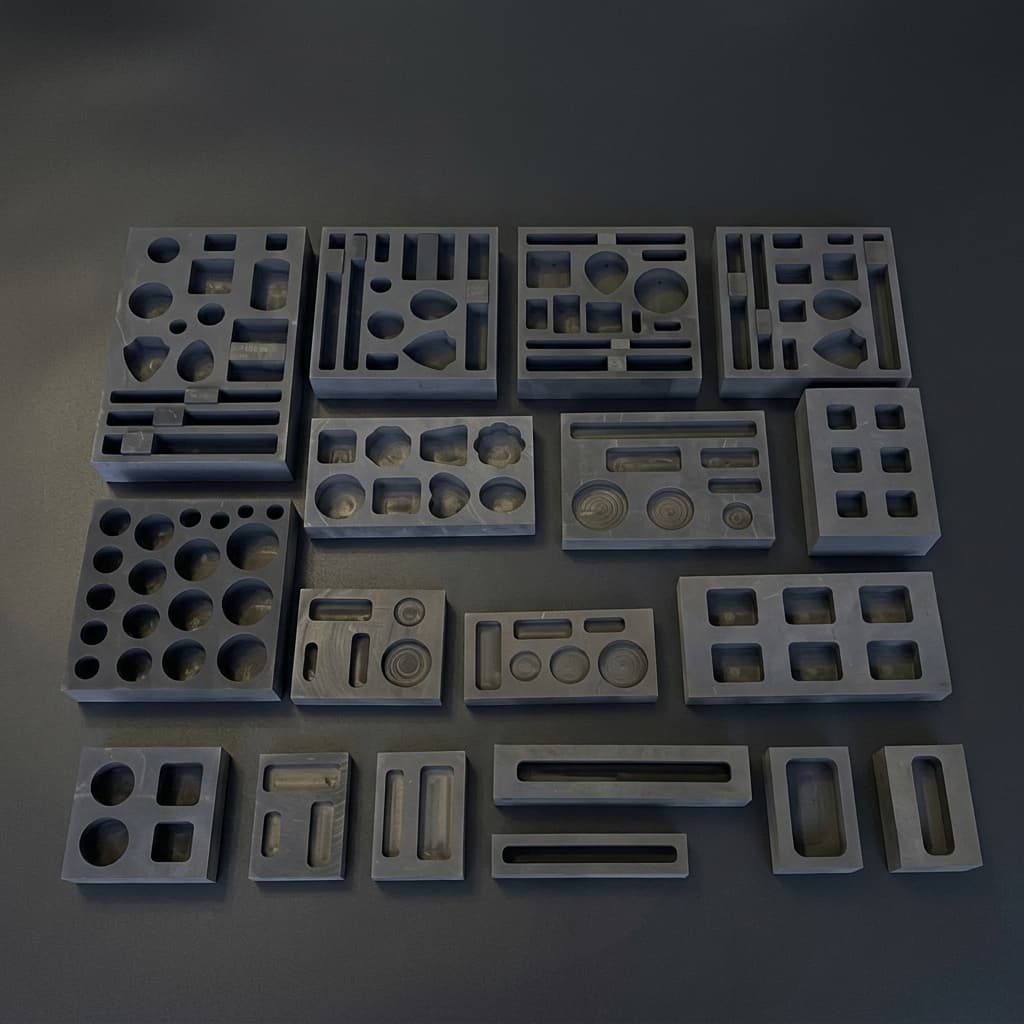
Compare C/C composites vs isostatic graphite for vacuum furnace fixtures: thermal mass, TCO, risks, checklist, and RFQ guidance from Custom Graphite Parts.


Specify graphite hot zones for SiC PVT crystal growth: purity limits, GDMS evidence, machining risks, supplier questions, and RFQ steps for global buyers.
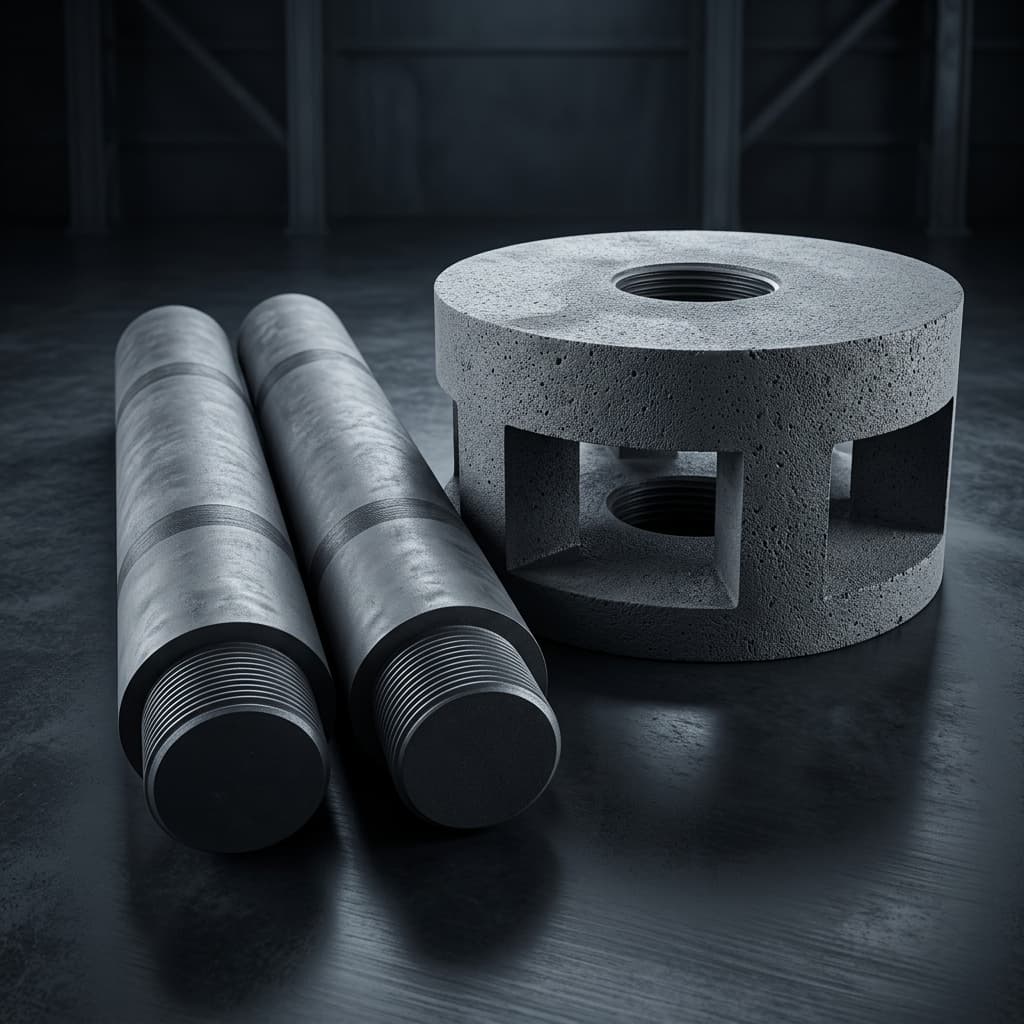
A comprehensive engineering and procurement guide to extending the lifespan of graphite degassing rotors in aluminum foundries. Learn about high-temperature oxidation, anti-oxidation coatings, material selection, and operational best practices.
Sourcing FAQ
Attach drawings or sample photos and include grade, operating conditions, critical tolerances, quantity, destination, and certificate or export document needs.
Inquiry Email
Complete RFQs are easier to review within 1-2 business days when drawings, grade, quantity, and destination are included.
WhatsApp Alignment
+8618857971991
Use WhatsApp for quick alignment; send drawings by email for traceable review.
If your team is evaluating graphite machining suppliers, start with a workflow that combines material grade, tolerance, surface condition, export documentation, and packing requirements in one track. This avoids quoting a part that looks machinable but fails at shipment, inspection, or end-use validation.
The fastest useful quote starts with part definition, service conditions, and delivery evidence in the same request. These inputs let engineering review material risk, machining limits, inspection scope, and export packing before price is finalized.