
RFQ Checklist
- Detailed CAD drawings of the block, tube-sheet, or dome
- Specific chemical media, concentration, and pH
- Operating temperature range and pressure limits
- Resin impregnation requirements (Phenolic, PTFE, etc.)
Impervious graphite heat exchangers, tube-sheets, domes, and linings engineered for highly corrosive chemical processing environments.
Complete RFQs are easier to review within 1-2 business days when drawings, graphite grade, quantity, and destination are included.
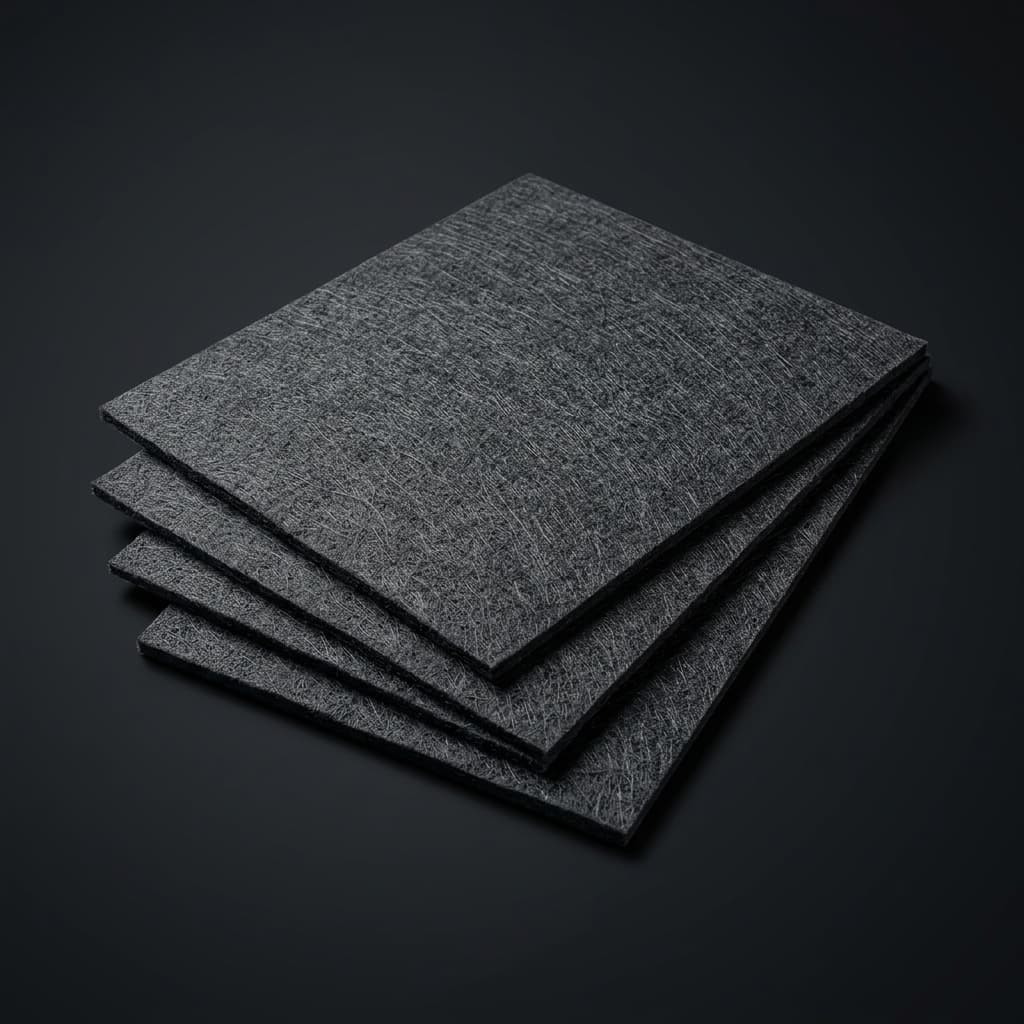
| Option | Best Fit | Watchouts |
|---|---|---|
| Resin-impregnated graphite | Heat exchangers and acid processing where zero permeability and chemical resistance are mandatory. | The impregnating resin (e.g., phenolic vs PTFE) limits the maximum operating temperature. |
| High-purity uncoated graphite | Extreme temperature electrochemical processes where resins would degrade. | Remains porous; not suitable if gas/liquid impermeability is required without treatment. |
Analyze the corrosive media, temperature, and pressure to select the correct graphite base and impregnating resin.
Machine blocks and utilize specialized gun-drilling for long, perfectly straight heat exchanger fluid channels.
Apply vacuum-pressure impregnation to seal all pores, followed by controlled thermal curing.
Hydrostatic or pneumatic pressure testing to guarantee zero leakage, followed by heavy-duty crate packing.
| Metric | Typical Range | Why It Matters |
|---|---|---|
| Permeability | Zero (Gas and liquid tight) | Cross-contamination of cooling water and corrosive acids is catastrophic in heat exchangers. |
| Thermal conductivity | 100 - 150 W/m·K | Graphite provides excellent heat transfer, crucial for efficient chemical cooling/heating. |
| Corrosion resistance | Resistant to most acids, alkalis, and organics | Metals dissolve in boiling HCl or H2SO4; impervious graphite survives indefinitely. |
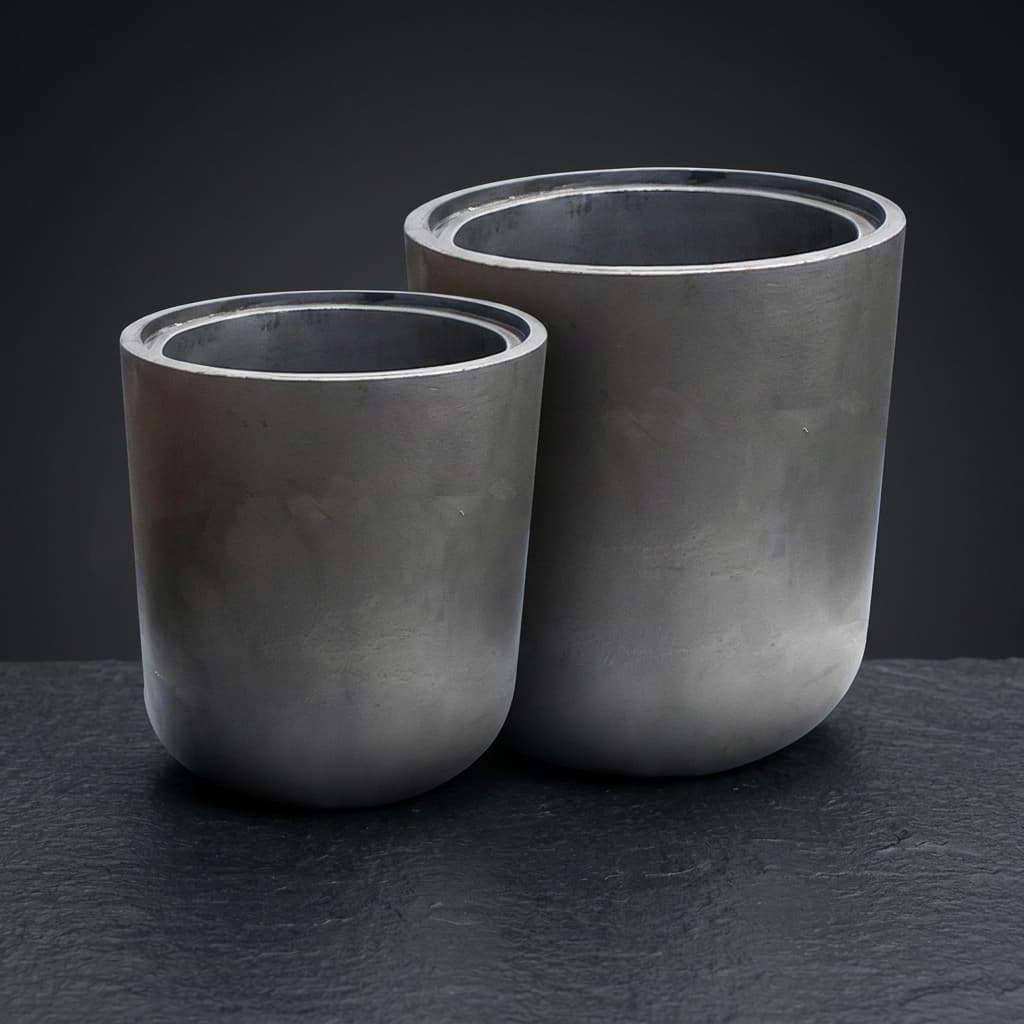
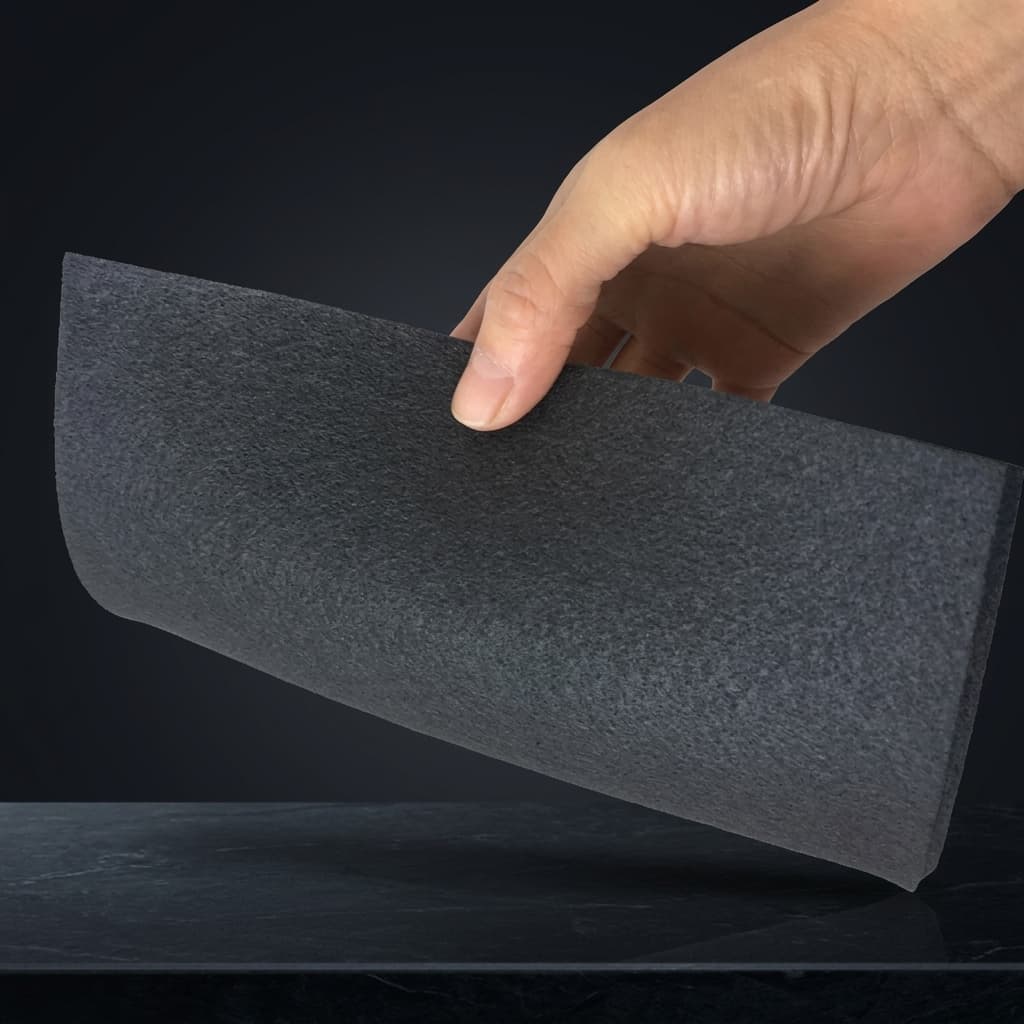
Yes, we can CNC machine and deep-hole drill replacement blocks based on your drawings or reverse-engineered samples.
We use a vacuum-pressure impregnation process to fill the natural pores of graphite with specialized, chemically inert resins.
Yes, impervious graphite components can be hydrostatic or pneumatic pressure tested to ensure they are completely leak-free.
Inquiry Email
Complete RFQs are easier to review within 1-2 business days when drawings, grade, quantity, and destination are included.
WhatsApp Alignment
+8618857971991
Use WhatsApp for quick alignment; send drawings by email for traceable review.