← Back to Materials

Resin-Impregnated Graphite

Material and process review for resin-impregnated graphite parts that need reduced porosity, sealing support, chemical exposure review, or improved performance in fluid-contact applications.

Target Buyer:Best for buyers who need graphite parts in gas, liquid, chemical, sealing, or porosity-sensitive service.

Complete RFQs are easier to review within 1-2 business days when drawings, graphite grade, quantity, and destination are included.

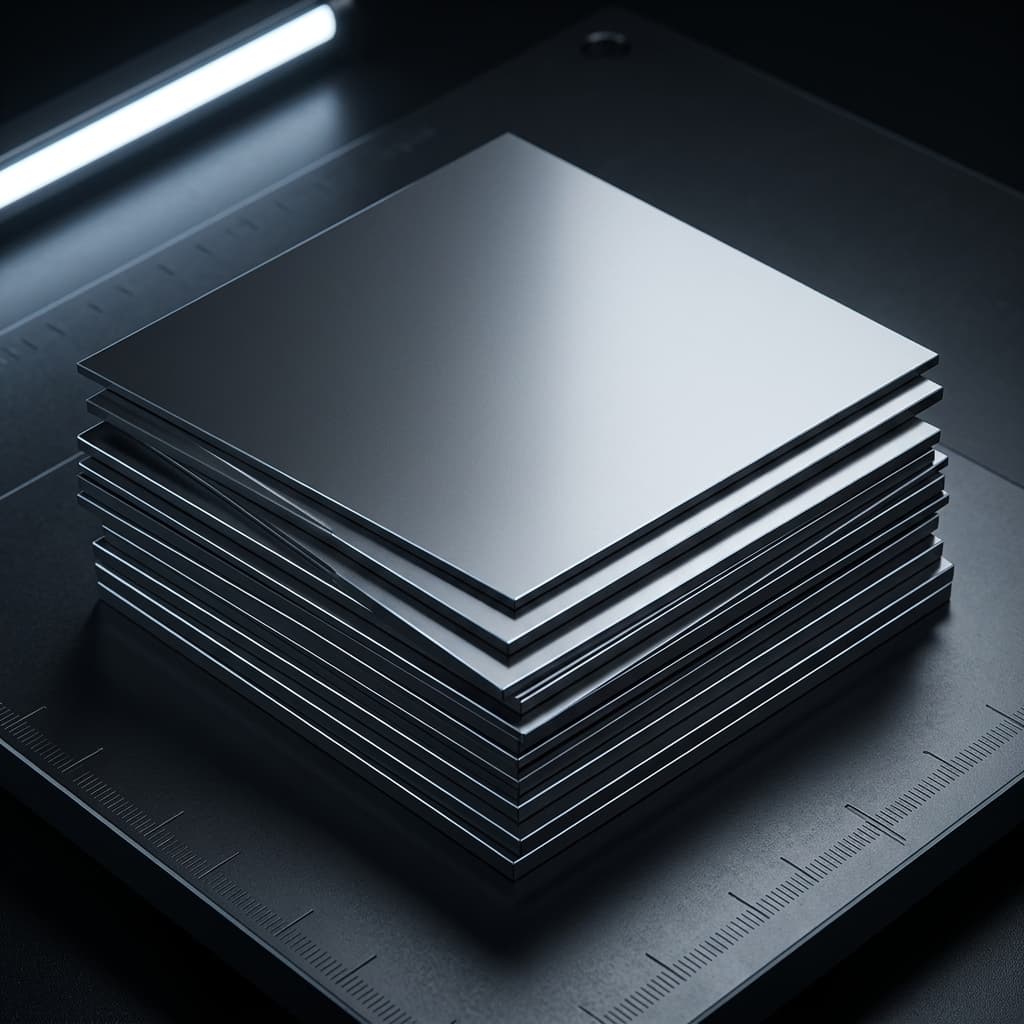
Resin impregnated graphite bipolar plate 04

Capability Highlights

  • Impregnation review for bipolar plates, seals, pump parts, bearings, bushings, and chemical-service graphite
  • Media, temperature, leakage, porosity, and post-machining sequence review before RFQ lock
  • Useful route when bare graphite porosity or strength is a project risk

Typical Applications

  • Graphite bipolar plates and flow battery plates
  • Pump vanes, bearings, bushings, and seal rings
  • Chemical processing graphite components
  • Fluid-contact wear and sealing parts

Engineering Focus

  • Confirm media chemistry, temperature, pressure, leakage sensitivity, and cleaning method before selecting impregnation
  • Review whether machining occurs before or after impregnation and how tolerance changes will be handled
  • Document inspection, leak-test expectation, certificate scope, and packing needs during RFQ

Key Evaluation Matrix

MetricTypical RangeWhy It Matters
Porosity sensitivityLow, moderate, or high leakage concern by buyer applicationImpregnation decisions should be tied to actual gas or liquid service requirements.
Media compatibilityWater, electrolyte, fuel cell media, chemical service, or dry-running wearThe impregnation route must be reviewed against chemistry and temperature before approval.
Process sequenceMachine before impregnation, machine after impregnation, or finish after treatmentSequence affects final dimensions, surface condition, cost, and acceptance criteria.

RFQ Checklist

  1. Drawing, material grade, application media, temperature, pressure, and leakage expectation
  2. Impregnation type if specified, chemical compatibility concerns, cleaning method, and service environment
  3. Machining sequence, tolerances, surface finish, inspection or leak-test requirements
  4. Quantity, forecast, destination, certificates, and export paperwork
Risk Controls

  • Impregnation is specified without media review: Confirm chemistry, temperature, pressure, cleaning method, and compatibility before selecting the route.
  • Final dimensions move after treatment: Define machining and impregnation sequence, final tolerance responsibility, and inspection stage during RFQ.
  • Leak expectation is unclear: State whether the buyer needs reduced porosity, a specific leak test, or only a material treatment certificate.

Product Gallery

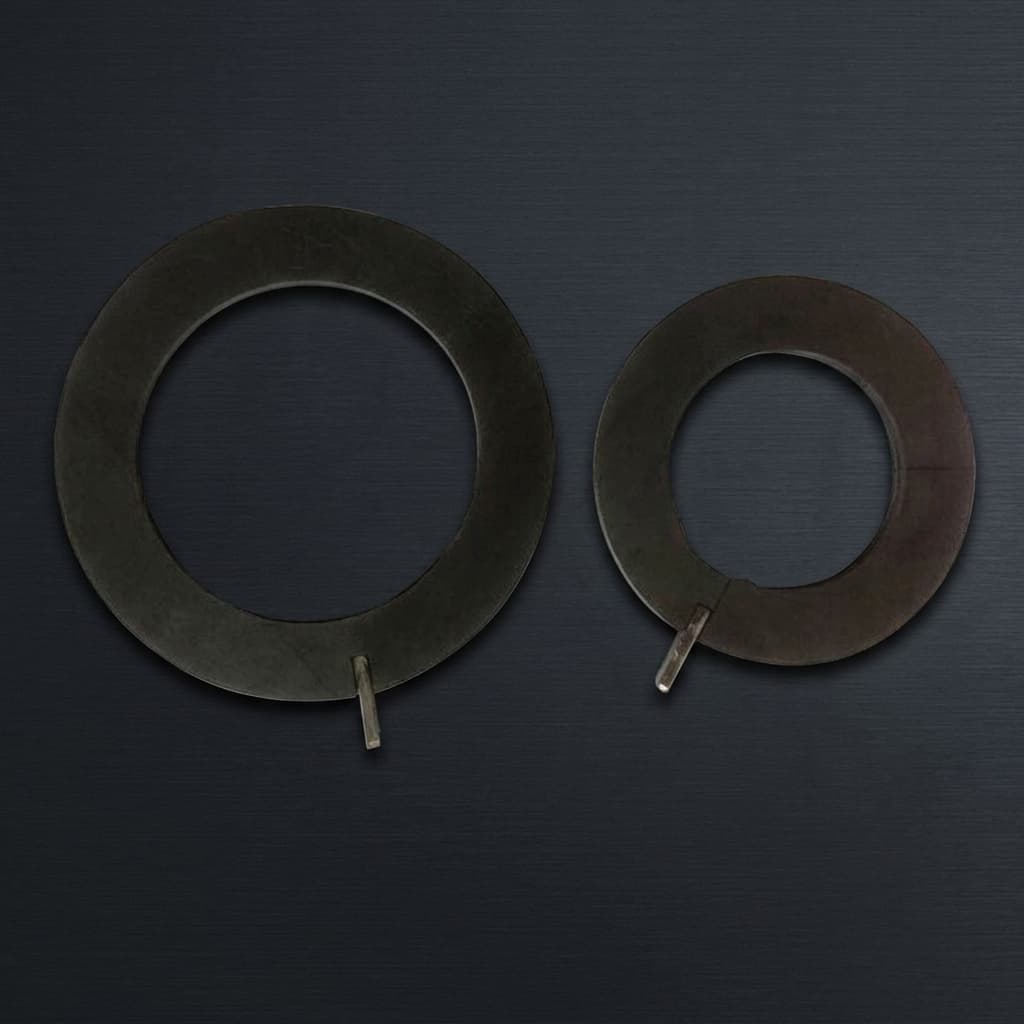
Impregnated graphite seal ring 08
Pyrolytic carbon graphite 07

Buyer FAQ

Does resin impregnation make graphite completely leak-free?

It can reduce porosity, but acceptance depends on application, media, pressure, test method, and buyer requirements.

Should graphite be machined before or after impregnation?

The right sequence depends on final tolerance, surface finish, treatment depth, cleaning, and inspection requirements.

Where is resin-impregnated graphite most useful?

It is often reviewed for bipolar plates, seals, pumps, bearings, chemical-service parts, and fluid-contact graphite components.

Related Resources

Inquiry Email

[email protected]

Complete RFQs are easier to review within 1-2 business days when drawings, grade, quantity, and destination are included.

WhatsApp Alignment

+8618857971991

Use WhatsApp for quick alignment; send drawings by email for traceable review.