
RFQ Checklist
- Component size (often large)
- Direction of pressing/extrusion relative to load
- Temperature, atmosphere, load, and thermal cycling
- Critical surfaces, tolerance limits, and target service life
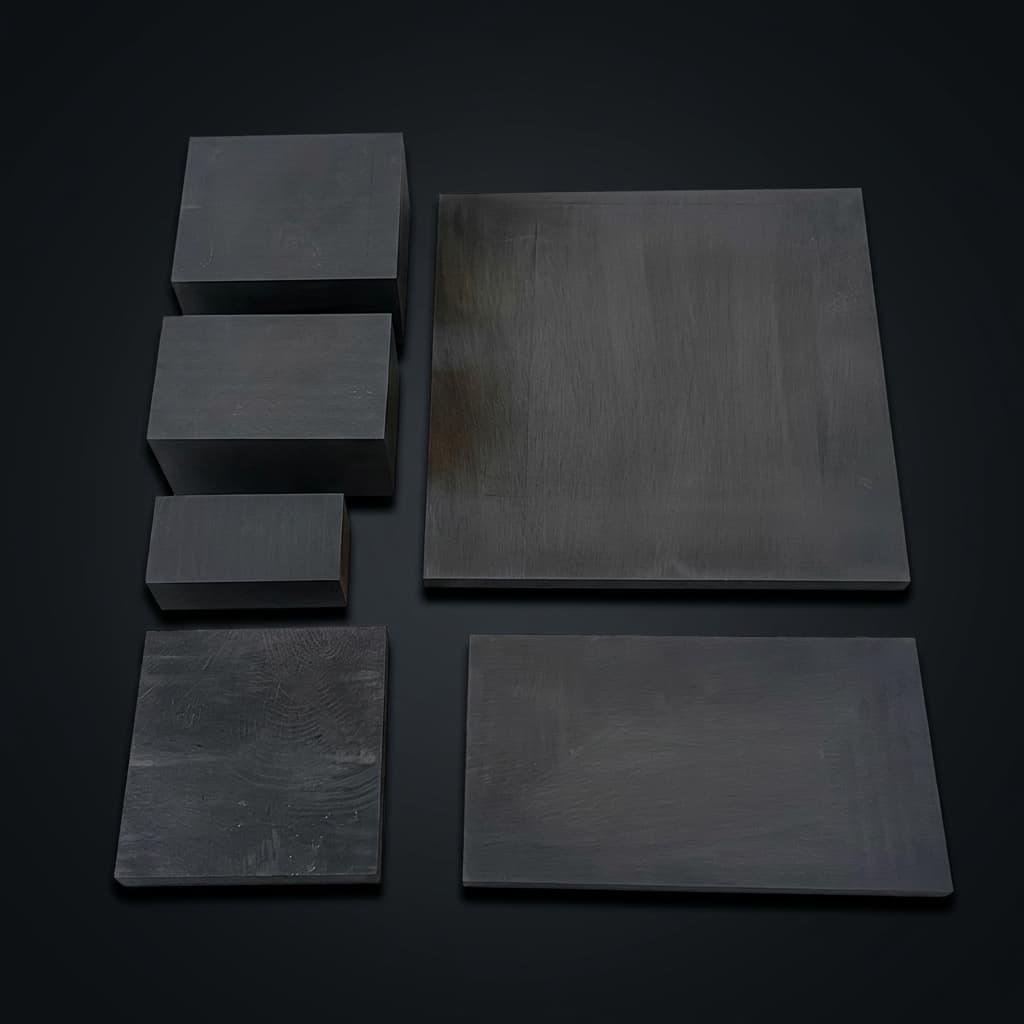
Cost-effective medium-to-coarse grain graphite for high-volume, less intricate thermal and metallurgical applications.
Complete RFQs are easier to review within 1-2 business days when drawings, graphite grade, quantity, and destination are included.
| Metric | Typical Range | Why It Matters |
|---|---|---|
| Grain Size | 0.8 - 3.0 mm | Coarser grain provides better thermal shock resistance but limits fine detail machining. |
| Forming direction | Pressed or extruded orientation matched to load | Directional properties can affect thermal expansion, strength, and cracking risk. |
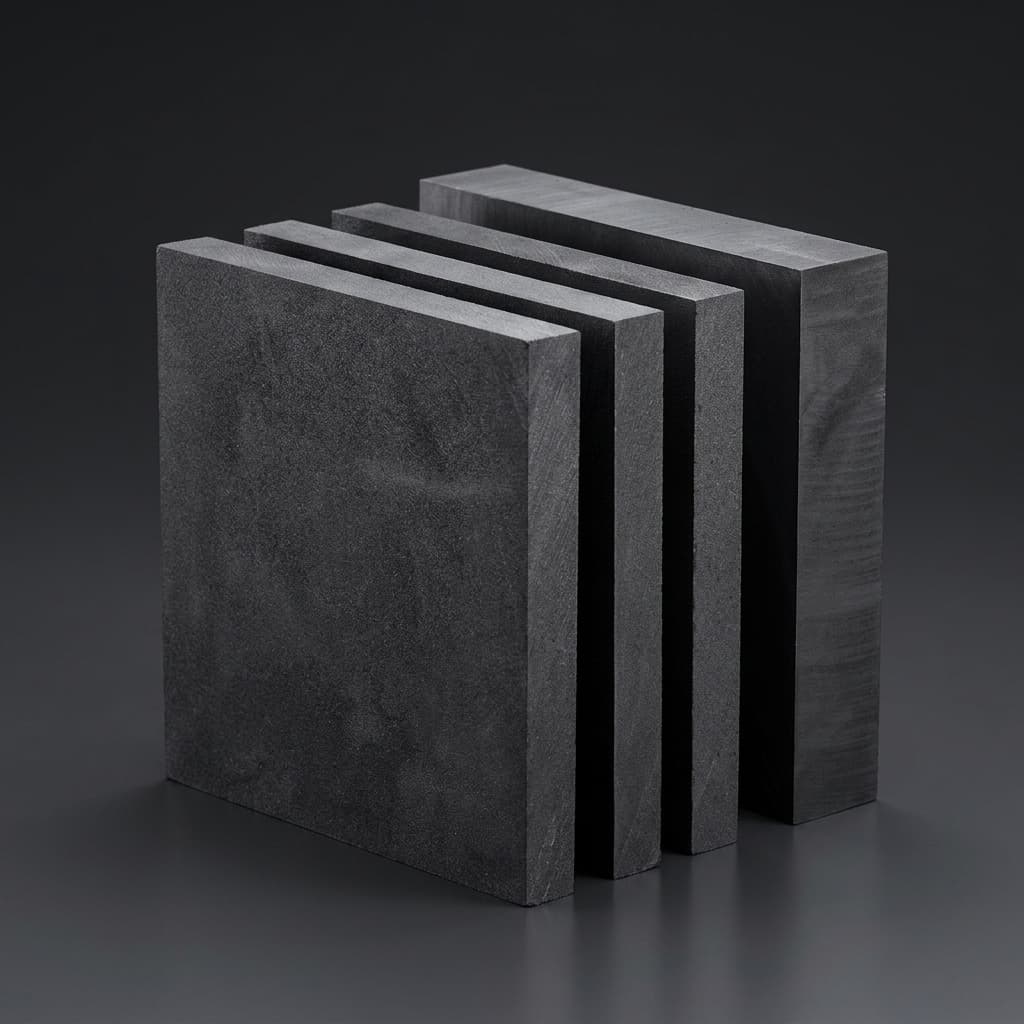
| Part scale | Large plates, rods, blocks, boats, and supports | Large sections need grade availability, machining allowance, and packing planning early. |
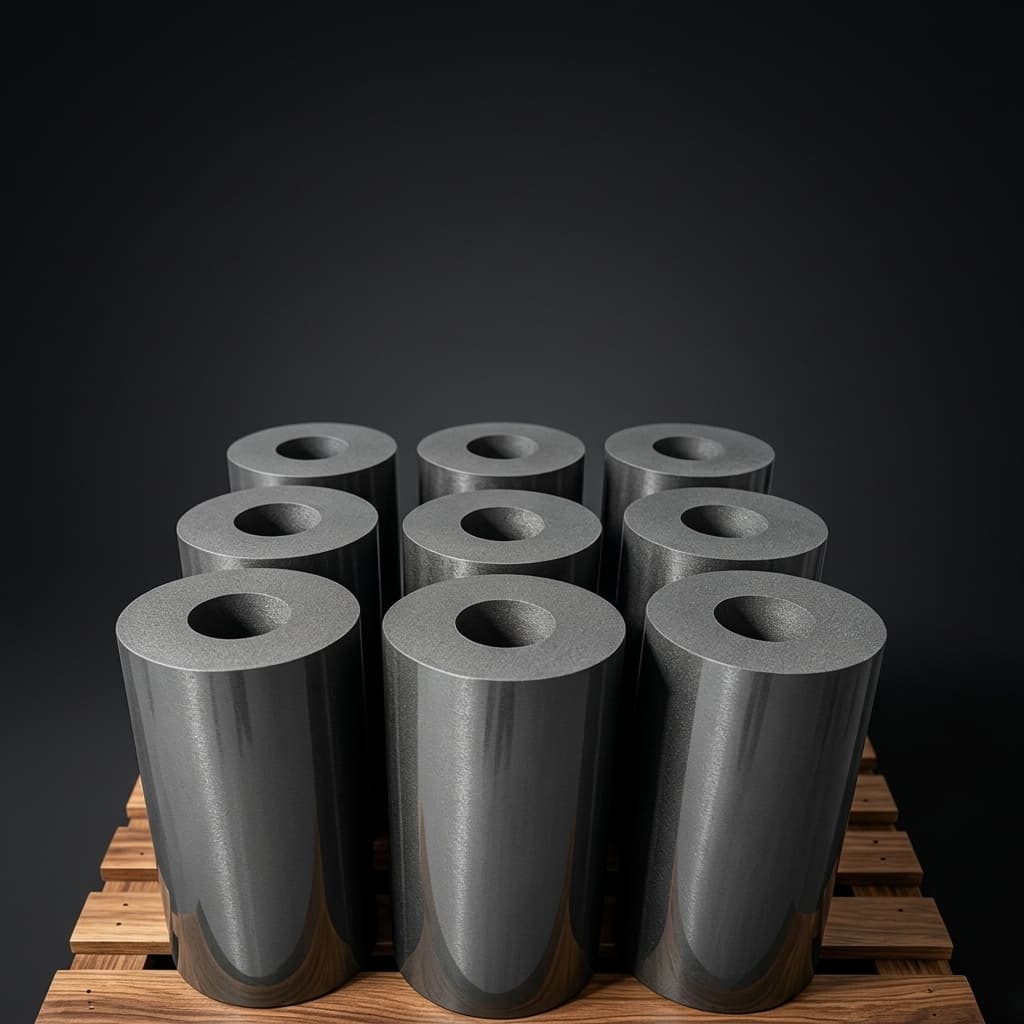
Use extruded for large furnace parts (like heating rods) where cost is a factor and ultra-fine detail is not required.
Yes, but tolerance, surface finish, and edge detail should be matched to the grain structure and forming direction.
Size, load, temperature, atmosphere, support points, and replacement schedule are more useful than dimensions alone.
Inquiry Email
Complete RFQs are easier to review within 1-2 business days when drawings, grade, quantity, and destination are included.
WhatsApp Alignment
+8618857971991
Use WhatsApp for quick alignment; send drawings by email for traceable review.