← Back to Materials

Vibration Molded Graphite

Vibration molded graphite material review for larger blocks, furnace fixtures, casting tooling, molds, and cost-sensitive graphite parts that do not require ultra-fine isostatic grades.

Target Buyer:Best for buyers sourcing larger graphite parts or fixtures where isostatic graphite may be unnecessary or too costly.

Complete RFQs are easier to review within 1-2 business days when drawings, graphite grade, quantity, and destination are included.

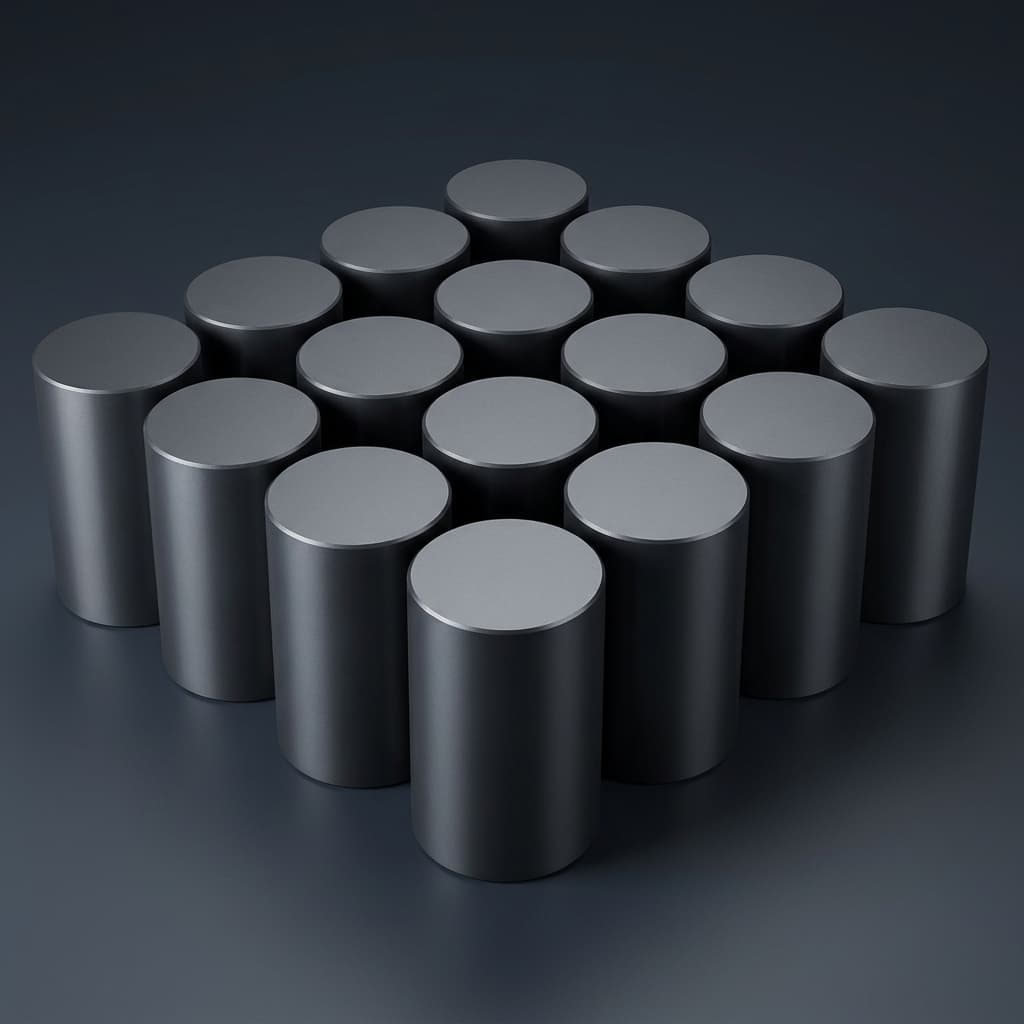
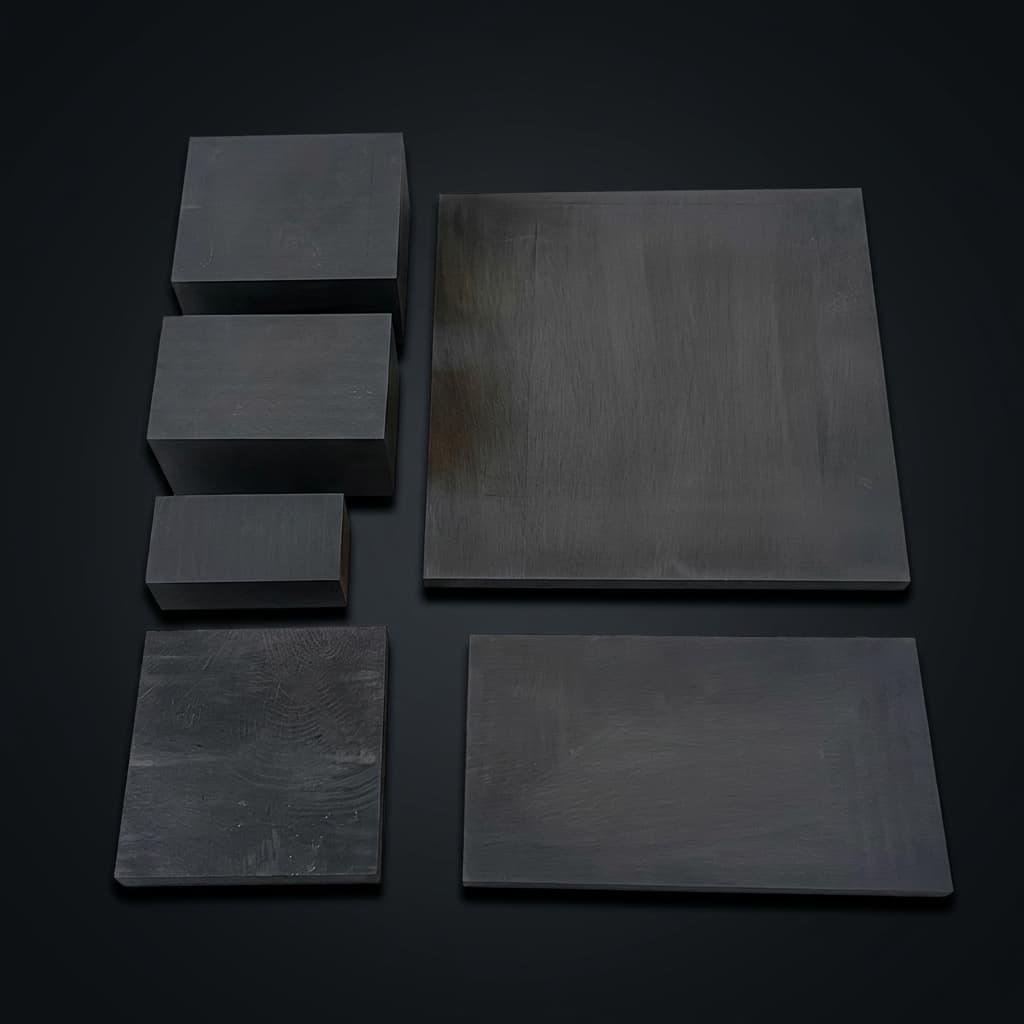
Molded graphite block 04

Capability Highlights

  • Useful option for larger-section graphite blocks and tooling where size and cost matter
  • Application review for grain direction, strength, porosity, machinability, and finished part geometry
  • Bridge between premium isostatic graphite and general molded or extruded material routes

Typical Applications

  • Large graphite molds and dies
  • Furnace plates, supports, and fixtures
  • Continuous casting tooling
  • High-temperature industrial graphite parts

Engineering Focus

  • Confirm part size, load, temperature, atmosphere, grain-direction sensitivity, and machining allowances
  • Review whether vibration molded graphite can meet flatness, strength, surface, and service-life expectations
  • Plan packing support for larger graphite blocks, plates, and molds to avoid corner and edge damage

Key Evaluation Matrix

MetricTypical RangeWhy It Matters
Section sizeMedium to large blocks, plates, molds, and fixturesLarge finished dimensions can limit available material families and influence cost.
Uniformity requirementGeneral industrial, precision tooling, or high-uniformity applicationSome applications justify isostatic graphite, while others can use vibration molded graphite effectively.
Machining riskSimple blocks, slots, holes, pockets, or fragile thin featuresFeature complexity affects whether the material route can deliver acceptable edges and tolerances.

RFQ Checklist

  1. Drawing, finished size, largest section, machining allowance, and fragile features
  2. Operating temperature, atmosphere, load, wear, and contact surface expectations
  3. Current grade, target material family, certificate requirement, and replacement history
  4. Quantity, annual forecast, destination, packing expectations, and export paperwork
Risk Controls

  • Material family is chosen only by price: Review load, temperature, surface, tolerance, and service-life expectations before downgrading from isostatic graphite.
  • Large plate flatness is underestimated: Confirm finished thickness, support during machining, inspection method, and packing orientation before production.
  • Buyer expects semiconductor-grade purity from industrial graphite: Clarify purity and certificate requirements early and move to high-purity or purified graphite when needed.

Product Gallery

Pyrolytic carbon graphite 07
Sintering graphite hot press mold 09

Buyer FAQ

When should vibration molded graphite be considered?

It is worth reviewing for larger industrial parts, fixtures, molds, and tooling where isostatic graphite uniformity is not required.

Can vibration molded graphite replace isostatic graphite?

Sometimes, but only after application, tolerances, strength, size, surface, and certificate requirements are reviewed.

Is vibration molded graphite suitable for semiconductor use?

Semiconductor parts usually require a separate purity and process review. High-purity or coated routes may be more appropriate.

Related Resources

Inquiry Email

[email protected]

Complete RFQs are easier to review within 1-2 business days when drawings, grade, quantity, and destination are included.

WhatsApp Alignment

+8618857971991

Use WhatsApp for quick alignment; send drawings by email for traceable review.