← Back to Materials

SiC and Pyrolytic Carbon Coated Graphite

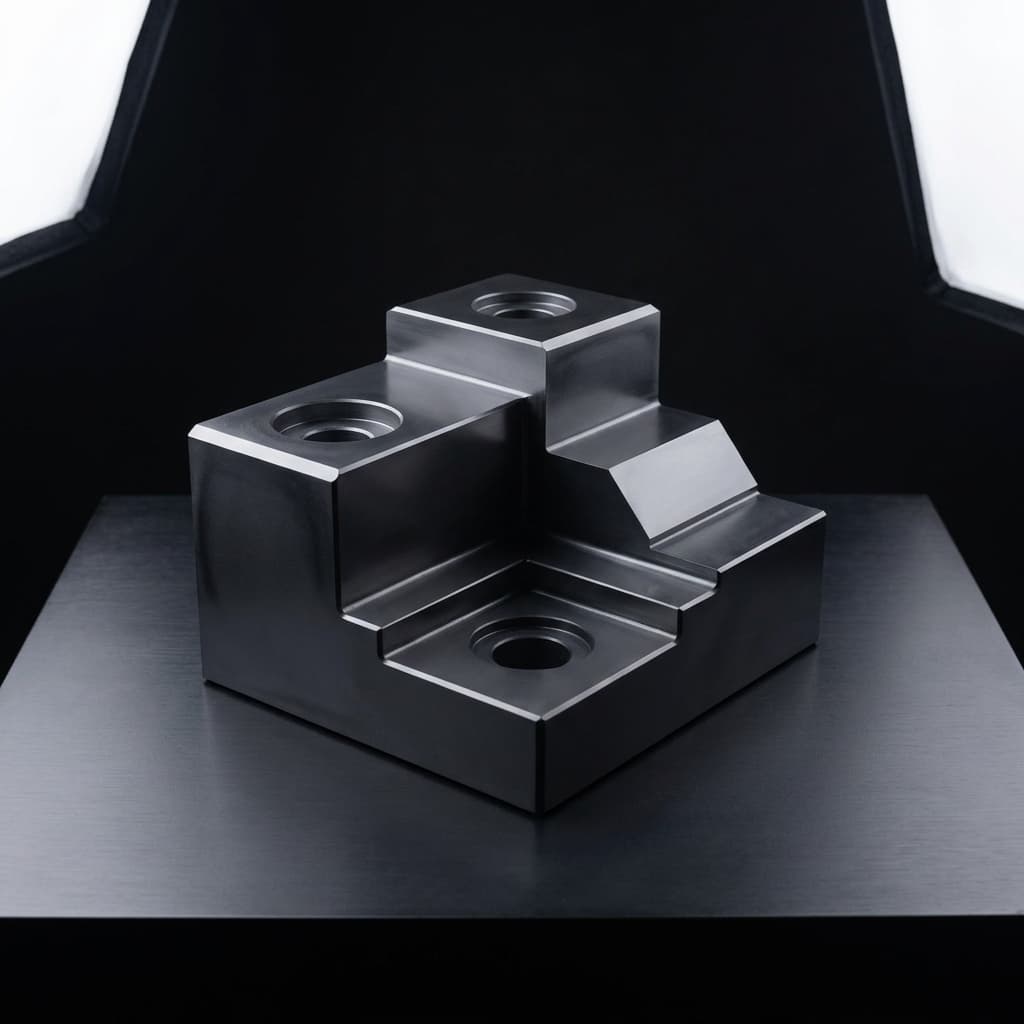
Coated graphite material route review for SiC-coated, pyrolytic carbon coated, and other treated graphite parts used in semiconductor, furnace, chemical, and high-temperature environments.

Target Buyer:Best for engineers and buyers who need graphite performance beyond bare material and must coordinate machining, coating, inspection, and documentation.

Complete RFQs are easier to review within 1-2 business days when drawings, graphite grade, quantity, and destination are included.

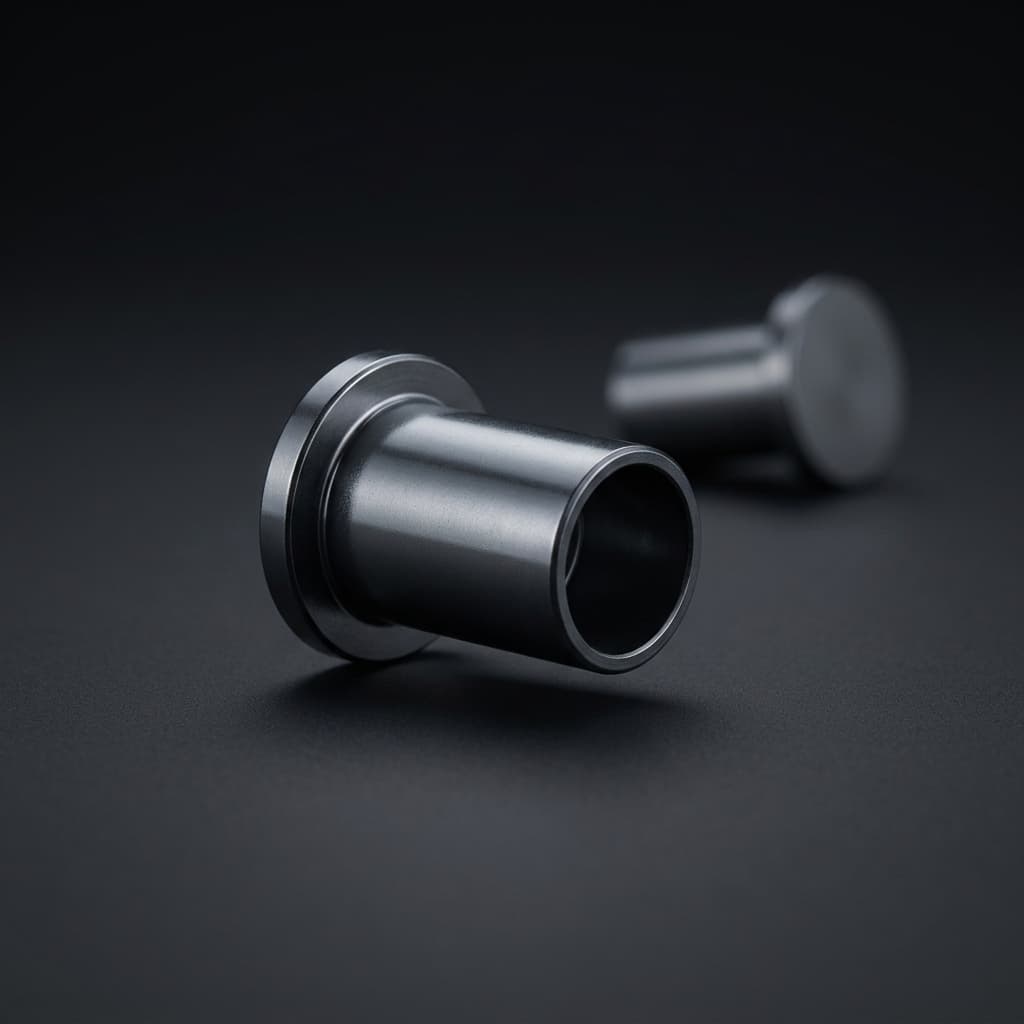
Pyrolytic carbon graphite 07

Capability Highlights

  • CVD SiC, pyrolytic carbon, glassy carbon, purification, and coating-sensitive machining review
  • Used when bare graphite needs improved oxidation, corrosion, erosion, or contamination performance
  • RFQ planning for coating allowance, masked surfaces, post-coating dimensions, inspection, and packing

Typical Applications

  • Semiconductor susceptors and wafer carriers
  • High-temperature furnace fixtures
  • Chemical and corrosive process graphite
  • Coated graphite trays, shields, molds, and process hardware

Engineering Focus

  • Confirm coating type, purpose, exposed surfaces, masked surfaces, thickness expectations, and post-coating critical dimensions
  • Review base graphite grade, edge radius, surface preparation, purification, and cleaning before coating release
  • Plan coated-surface handling, inspection, certificate scope, and export packing for brittle treated graphite

Key Evaluation Matrix

MetricTypical RangeWhy It Matters
Coating purposeOxidation, corrosion, contamination, erosion, or process-contact improvementThe reason for coating determines material route, acceptance criteria, and inspection priorities.
Dimensional stageBare graphite dimensions, coating allowance, or final post-coating dimensionsPost-coating fit problems are common when tolerances are not tied to the correct manufacturing stage.
Surface handlingStandard packing, clean bagging, separated surfaces, or coated-edge protectionCoated graphite can be damaged by contact, abrasion, or poor packing even when dimensions are correct.

RFQ Checklist

  1. Drawing, STEP file, coating type, coated surfaces, masked areas, and critical post-coating dimensions
  2. Base graphite grade, purity target, coating purpose, operating temperature, atmosphere, and chemistry
  3. Inspection, certificate, cleaning, packing, and handling requirements for coated surfaces
  4. Quantity, forecast, destination, export paperwork, and buyer acceptance criteria

Risk Controls

  • Coating requirement is vague: Define coating type, coated surfaces, purpose, thickness expectation if known, and acceptance criteria during RFQ.
  • Machined edges are not coating-friendly: Review radii, sharp corners, surface prep, holes, pockets, and masking needs before substrate machining.
  • Coated part is packed like bare graphite: Use separated contact surfaces, coated-edge protection, clean bagging, labels, and packing photos for high-value parts.

Product Gallery

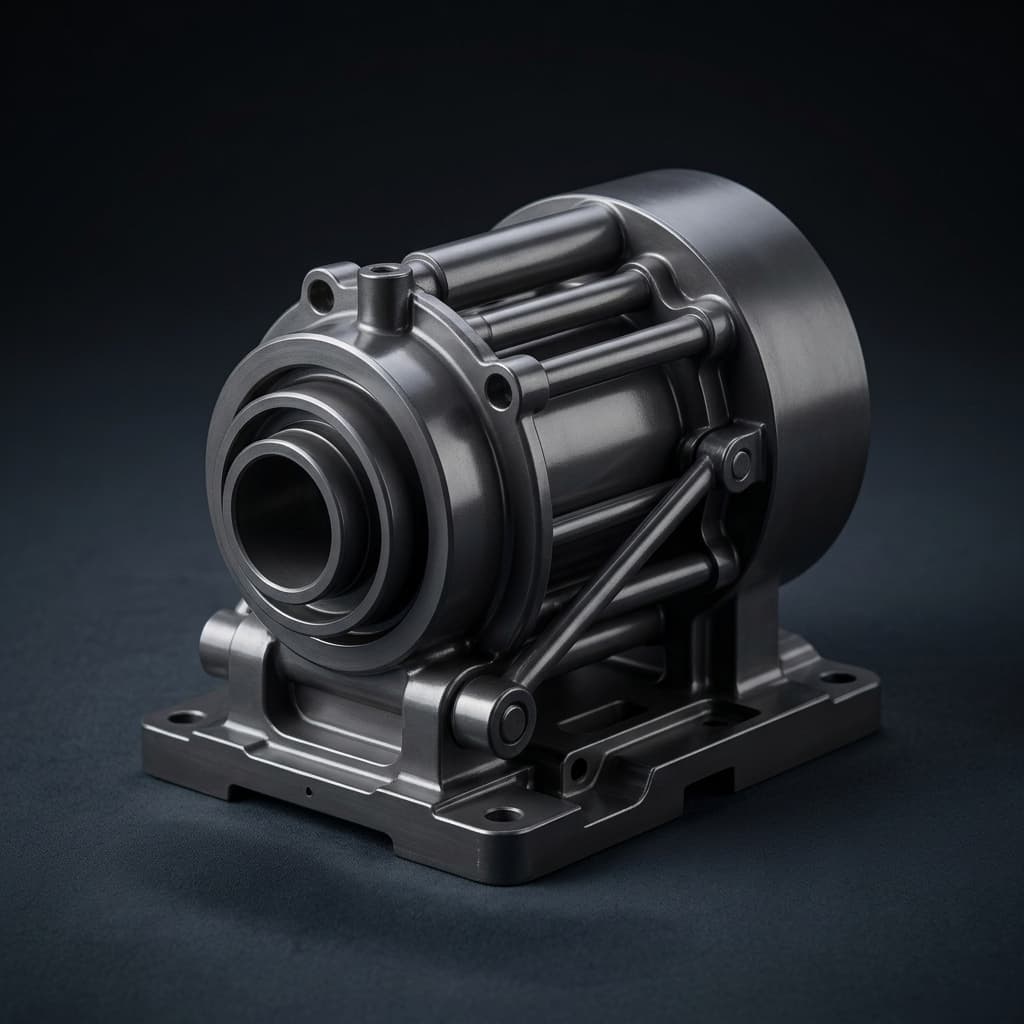
Pyrolytic carbon graphite 02
Pyrolytic carbon graphite 03

Buyer FAQ

When should SiC coating be considered?

SiC coating is reviewed when graphite needs improved oxidation, corrosion, contamination, or process-contact performance for the buyer application.

Are coated graphite dimensions quoted before or after coating?

The RFQ should state which dimensions are critical after coating and which are controlled on the bare machined graphite substrate.

Can coated graphite parts be repaired after use?

Repair depends on damage, coating type, substrate condition, and acceptance requirements. Replacement is often reviewed when coated surfaces are critical.

Related Resources

Inquiry Email

[email protected]

Complete RFQs are easier to review within 1-2 business days when drawings, grade, quantity, and destination are included.
WhatsApp Alignment

+8618857971991

Use WhatsApp for quick alignment; send drawings by email for traceable review.